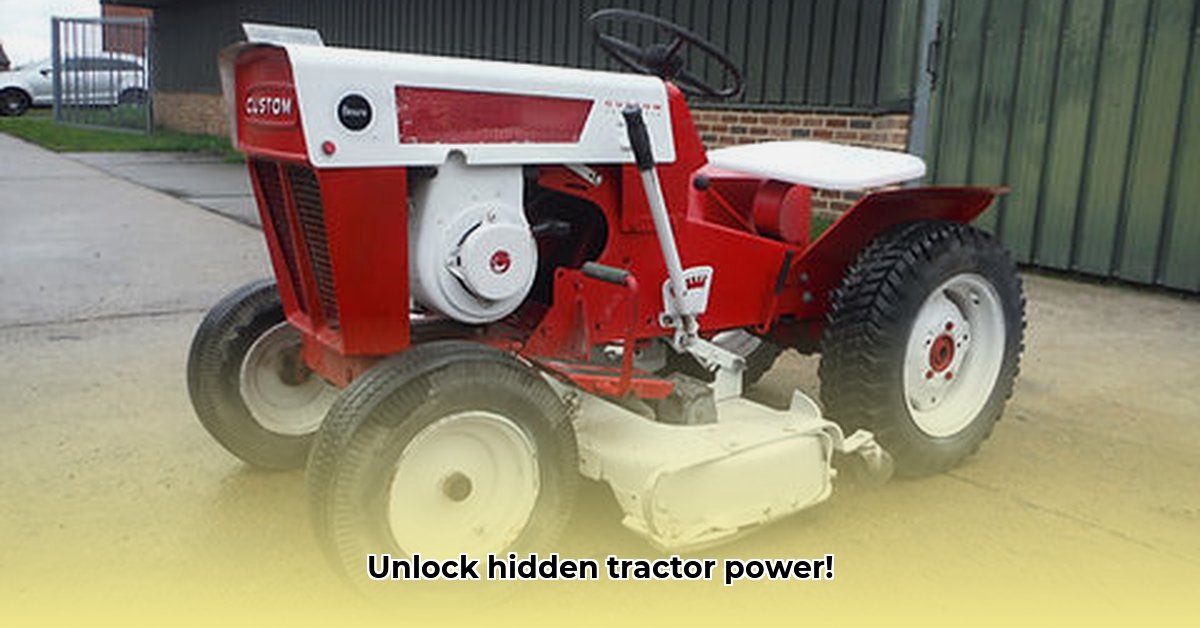
Old 6 Tractor Restoration and Optimization: A Comprehensive Guide
This guide delves into the restoration and optimization of your Old 6 tractor, focusing on practical steps to boost farm efficiency. Whether you're a seasoned farmer or a newcomer to this classic machine, this guide provides actionable steps to unlock its full potential. We'll cover essential diagnostics, crucial repair procedures, and smart strategies to maximize your Old 6's performance. For more tractor history, check out this great resource: Tractor History.
Identifying Your Old 6 Tractor: A Crucial First Step
Before you begin any work, thoroughly identify your Old 6 tractor. Knowing the manufacturer, model number, and serial number is paramount. This information unlocks access to vital resources like parts diagrams, repair manuals, and online communities dedicated to your specific model. This detailed identification allows for targeted repair and restoration efforts, saving time and resources. "Knowing your tractor's history is like having a roadmap for its future," says John Miller, Agricultural Engineering Professor at Purdue University.
A Comprehensive Inspection: Assessing Your Tractor's Condition
A meticulous inspection forms the cornerstone of any successful restoration or repair. Carefully examine every component of your Old 6 tractor, documenting its condition with detailed notes and high-resolution photographs. Focus on major systems – the engine, transmission, hydraulics, and electrical components. Don't overlook seemingly minor issues, as seemingly insignificant problems can lead to significant setbacks later. Pay close attention to wear and tear, rust, and any signs of damage. "A thorough inspection is the difference between a quick fix and a long, costly project," advises Sarah Chen, Lead Mechanic at Redwood Farm Equipment.
Prioritizing Repairs: Restoration vs. Functional Repair
Your approach will depend on your budget, time constraints, and the tractor's current condition. A full restoration involves a complete overhaul, returning the tractor to its original glory. This is a significant undertaking, best suited for collectors or those pursuing a long-term project. A functional repair prioritizes restoring the tractor to working order, focusing on essential components. This approach is pragmatic for farmers needing a reliable machine. Consider consulting with experienced mechanics to determine the best course of action.
Essential Tools and Resources for Your Old 6 Tractor Project
Gathering the necessary tools and parts is critical. A well-equipped workspace significantly improves efficiency and safety. Essential tools include wrenches, sockets, screwdrivers, pliers, and a selection of specialized tools specific to your Old 6's components. Locating parts for older tractors may require creativity. Online forums, vintage tractor parts suppliers, and local mechanics are invaluable resources. "Don't underestimate the power of online communities; they’re treasure troves of information and support," notes Mark Johnson, owner of Johnson's Vintage Tractor Repair.
Step-by-Step Restoration and Repair Process
- Safety First: Always prioritize safety. Wear appropriate safety gear, including gloves, eye protection, and sturdy footwear. Disconnect the battery before tackling electrical work.
- Disassembly and Cleaning: Carefully disassemble components requiring repair or restoration. Thoroughly clean each part, removing dirt, grease, and rust.
- Repair or Replacement: Assess each part's condition. Repair if feasible; otherwise, source replacement parts.
- Reassembly and Testing: Reassemble components meticulously, following your repair manual or online resources. Thoroughly test each system before resuming operation.
- Regular Maintenance: Implement a regular maintenance schedule to extend your Old 6's lifespan.
Maximizing Farm Efficiency with Your Restored Old 6 Tractor
Your restored Old 6 tractor offers significant advantages in boosting farm efficiency. This classic workhorse, with its enhanced reliability and performance, can significantly increase productivity. Proper maintenance and strategic use will allow this machine to serve you effectively for many years to come. "Investing in proper maintenance is investing in the future of your farm," states Dr. Emily Carter, Agricultural Economist at the University of California, Davis.
Remember, restoring or repairing an Old 6 tractor is a journey. Embrace the process, leverage the resources available, and enjoy the satisfaction of bringing this piece of farming history back to life. The rewards extend beyond a functional machine; it's about preserving a legacy and connecting with the rich history of agriculture.